🦺 Why PPE Is the Weakest Control (And When It Still Matters)
A worker walks past a scaffold wearing a hard hat. A crescent wrench falls from above, strikes his hard hat, and then hits the floor. The workers on the scaffold call down and ask if he is okay. He responds, “Yeah, my hard hat saved me. Just be careful next time.”
Then everyone gets back to work.
On the surface, that response sounds normal. Nobody was seriously hurt. The hard hat did its job. The crew keeps moving. With everyone wearing their PPE, it is easy to assume the situation is under control.
But it is not.
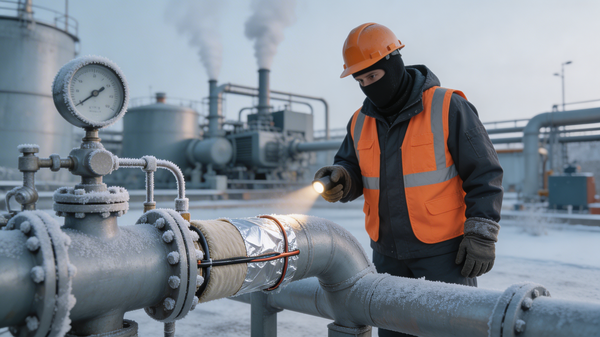
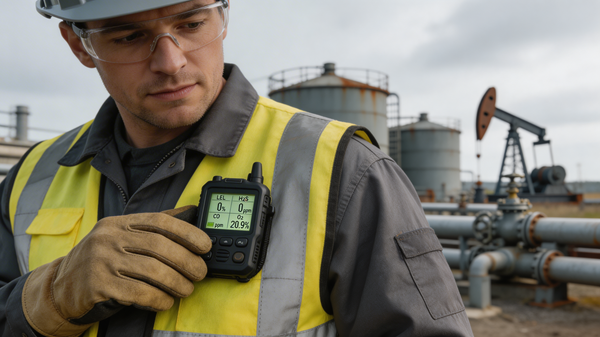
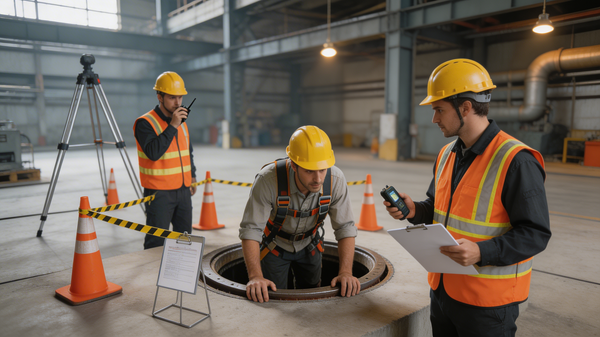
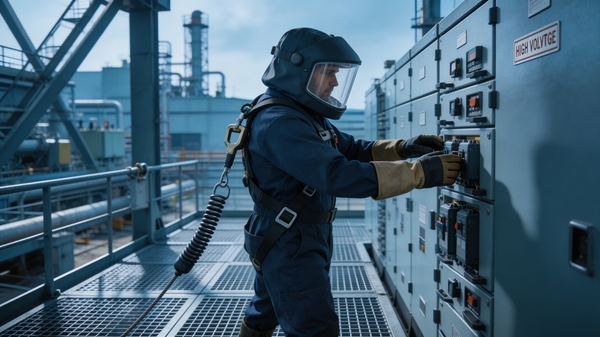
This is one of the most common safety mistakes in the field: confusing PPE with hazard control. Hard hats, gloves, safety glasses, harnesses, and steel toes all matter. They are important. But PPE is not the same thing as making the job safe. PPE does not remove the hazard. It does not prevent the wrench from falling. It does not stop someone from walking below an active overhead work area. It only reduces the severity of the outcome after something has already gone wrong.
That distinction matters.
Personal Protective Equipment is designed to protect the worker when other controls fail or when some level of exposure remains. A hard hat may reduce the severity of a head injury. A harness may arrest a fall. Gloves may reduce the chance of cuts or abrasions. But the hazard itself is still present. The falling object can still fall. The pinch point is still there. The fall still happens. PPE steps in after failure, not before it.
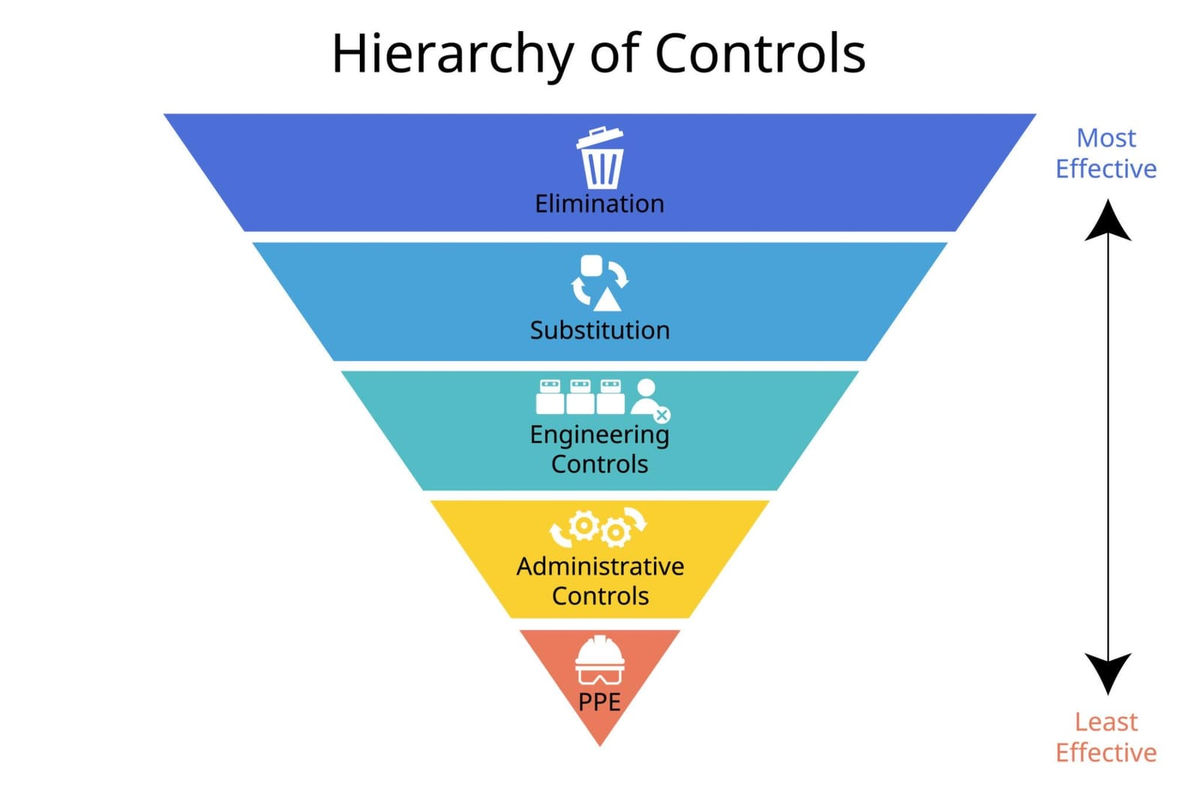
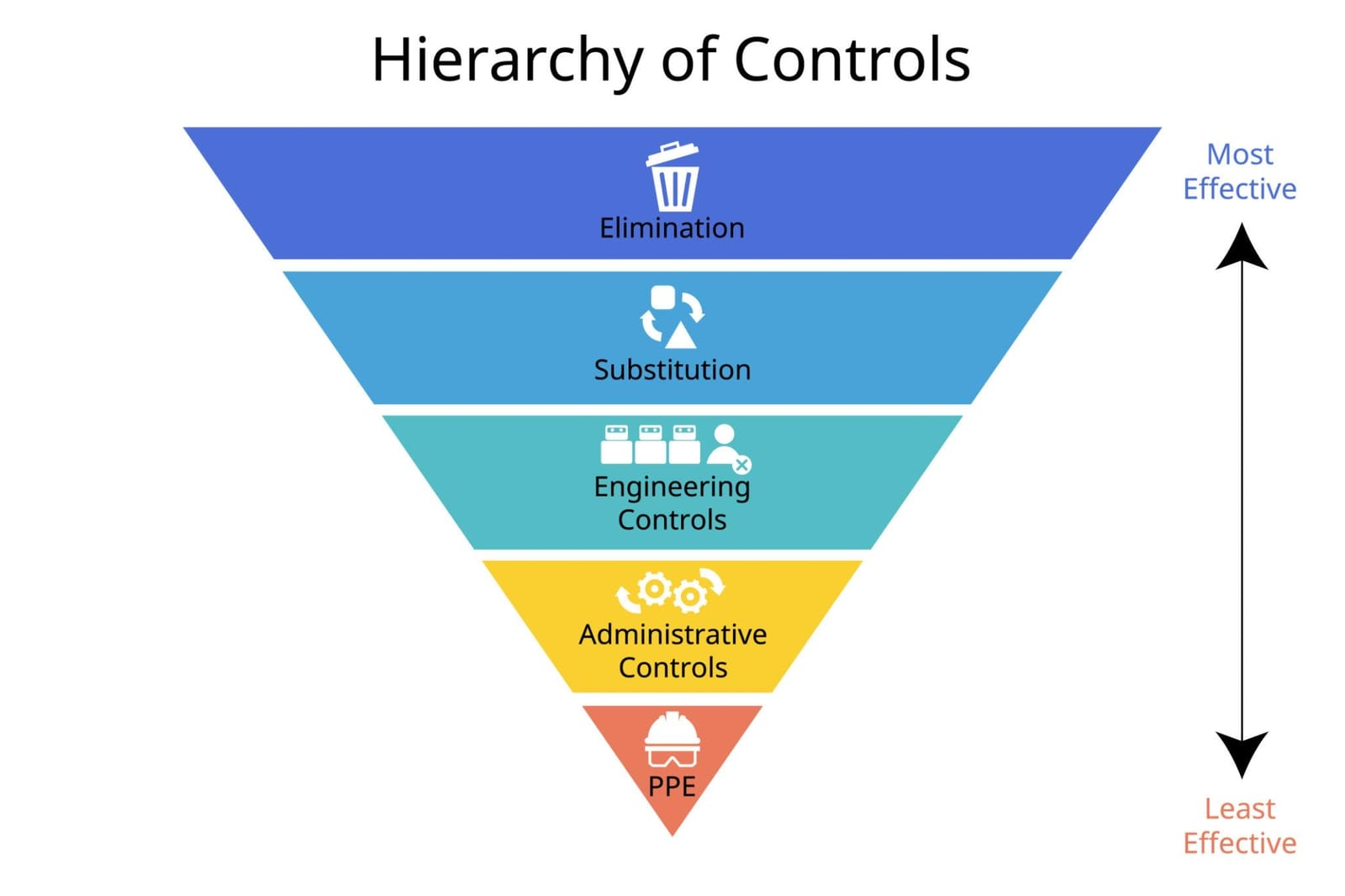
That is why PPE sits at the bottom of the Hierarchy of Controls. Above it are administrative controls, engineering controls, substitution, and elimination. Each of those higher levels focuses on controlling the hazard itself instead of depending on the worker to absorb the risk. When PPE becomes the primary control, the system is relying on perfect worker behavior: the right gear, worn the right way, every time, under real-world pressure. That is not a strong safety system. That is a weak system that looks strong because it is visible.
So how should this scaffolding hazard have been handled?
Prior to the start of the job and in the planning phase the Hierarchy of controls should have been applied following hazard analysis. Using the Hierarchy of Controls, the crew should have addressed the dropped-object hazard with a control plan. The crew could have reduced that exposure by keeping workers out from under active overhead work by setting up a clearly marked controlled access zone below the scaffold and ensuring a proper engineering control was in place by having the scaffold setup with toeboards at least 3.5 inches high that are able to withstand at least 50 pounds of force along all open sides and ends per OSHA requirements. These are real controls because they target the hazard, not just the injury.
Using the OOCHA loop: Observe, Orient, Control, Harden, Act after work has started
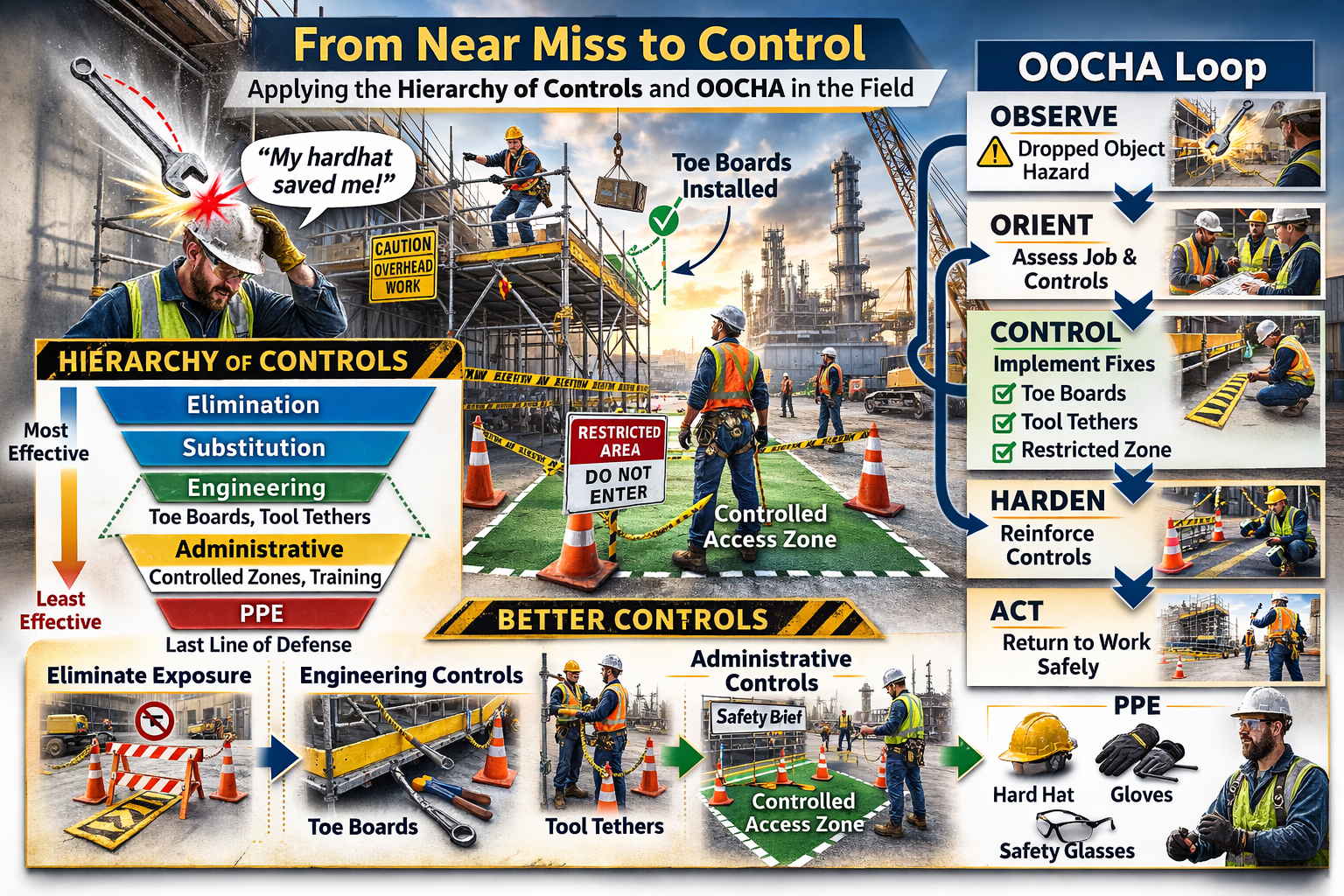
If work has already started, OOCHA helps the crew recover before an incident becomes an injury. In the Observe phase, they recognize that dropped tools are a real hazard. In Orient, they step back and assess the job, realizing toe boards are required when workers below could be exposed, but the scaffold does not have them. In Control, they notify management, request toe boards be installed as soon as possible, physically tie off the tools as an immediate engineering control, and establish a controlled access zone as an immediate administrative control. In Harden, they document and reinforce those changes so the controls stay in place. Then they Act by continuing the work under safer conditions.
That is the point: PPE is part of safety, but it is not safety by itself. Real safety starts when the hazard is controlled before luck runs out.