Extinguisher Selection for Drilling Crews: What Works and What Doesn't
Class B vs. Class C: Know What You're Fighting
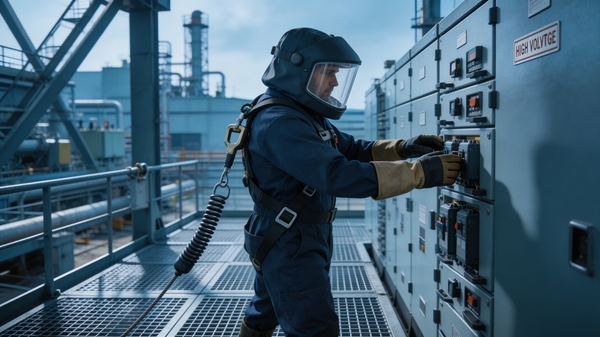
Most fires on a drilling rig fall into two categories. Class B fires involve flammable liquids — crude oil, diesel, hydraulic fluid, mud additives. Class C fires involve energized electrical equipment — VFDs, top drives, SCR houses. Each one demands a different suppression approach.
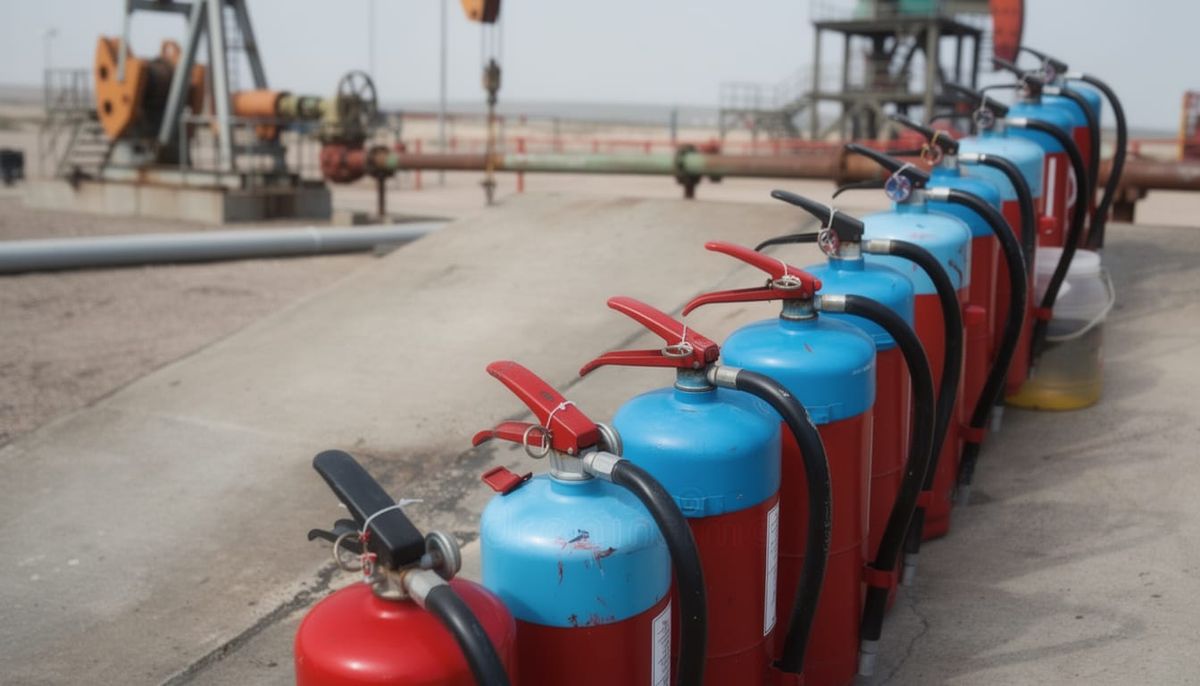
For Class B petroleum fires, dry chemical extinguishers rated for B-class hazards work on smaller spills. Traditionally the go-to Class B extinguisher composition for oilfield applications was foam — specifically AFFF (aqueous film-forming foam). Foam creates a vapor-sealing blanket over the fuel surface, cutting off the oxygen supply and preventing reignition. That's the part dry chemical alone can't do.
However AFFF's contain PFAS (or forever chemicals) and the regulatory environment has taken a turn against AFFF's with litigation exploding over the last decade due to chronic illnesses associated with PFAS exposure. While AFFF's for Class B extinguishers are still legal in West Texas for oilfield use there has been a Federal phase-out enacted on military bases which may expand to all Federal lands such as BLM lands drilled on in the Delaware Basin.
The alternative to an AFFF load is Fluorine-free foam (F3). While not as efficient and thus requiring more application, longer spray times and higher application rates to quell a class B fire, F3 based foams pose much less of a health risk to worker health and the environment.
For Class C electrical fires, CO2 extinguishers are your go-to. They displace oxygen without leaving residue that can destroy expensive electrical components. Never hit an energized panel with water or foam — you'll create a bigger problem than the fire because water conducts electricity and that can energize surrounding surfaces, making the situation more dangerous.
If you're not sure what's burning, don't guess. Back off, report it, and let the situation develop until you have eyes on the fuel source.
Placement: Seconds Count When Everything's on Fire
Extinguisher placement on a drilling rig needs to account for the highest-risk zones: the rig floor near the rotary and mouse-hole, the shale shaker area, around mud tanks and chemical storage, the engine room, and near the BOP stack during nipple-up and testing operations.
OSHA requires extinguishers within 50 feet of Class B hazard areas, but on a rig, I'd argue closer is better. Mount them at eye level, keep access paths clear of pipe and equipment, and make sure every hand on the crew knows exactly where they are without having to think about it. In a fire, you don't rise to the occasion — you fall to the level of your preparation.
When to Walk Away
If the fire is larger than a trash can, if it's between you and your exit, or if your gut says this is beyond a hand-held extinguisher — leave. Follow your muster procedure. Account for personnel. Let the fire watch and emergency response teams do their jobs.
Maintenance in the Field
Lastly, oilfield conditions destroy equipment-quickly. Dust, vibration, temperature swings, and drilling fluid mist all degrade extinguishers faster than a climate-controlled office ever could. Monthly visual inspections aren't optional — check the pressure gauge, look for corrosion on the valve, verify the pin and tamper seal are intact. Annual professional servicing is the standard, but in harsh drilling environments, semi-annual checks are smarter.
A dead extinguisher is worse than no extinguisher, because someone will waste critical seconds trusting a tool that won't perform.
Stay sharp out there. Know your equipment. Know your exits. And know when the right call is to get off the floor and let the fire have the iron.
Keywords: oilfield fire safety, drilling fire extinguishers, petroleum fire suppression, wellhead fire safety, drilling emergency response